Are Lens Coatings (Anti-Glare, Scratch-Resistant, Blue Light) Actually Worth the Money?
Disclosure: This post contains affiliate links. If you click one of these links and make a purchase (for example, on Amazon), we earn a commission at no extra cost to you. As an independent UK price comparison service, we only recommend products and retailers we genuinely trust.
You’ve had the eye test, picked your frames, and then comes the question every optician asks: “Would you like to add our premium coating bundle?” Standing at the till watching the total climb, it’s a fair question are lens coatings worth it UK shoppers keep asking, or is this just a well-rehearsed upsell?
Looking at the real numbers behind how much glasses cost in the UK, coatings can quietly double your bill. The honest answer is that some of them genuinely earn their keep. Others don’t hold up well once you look past the marketing. Here’s the breakdown, coating by coating.
Which Lens Upgrades Actually Matter?
This guide looks at what each major coating does, who benefits from it, and which ones you can skip to save money.
1. Scratch-Resistant Coating (Hard Coat)
What it is
Most prescription lenses today are lightweight, impact-resistant plastic rather than glass. That’s safer and more comfortable, but plastic is also much softer and easy to scratch. A scratch-resistant coating, sometimes called a hard coat, is an ultra-thin lacquer layer baked onto both sides of the lens to resist that.
Is it worth it?
Pretty much non-negotiable. No coating makes plastic indestructible, but without a hard coat your lenses take damage from everyday things you’d never expect:
- Routine cleaning – dust particles or the wrong cloth will micro-scratch an uncoated lens over time.
- Cumulative haze – thousands of tiny scratches eventually blur your vision even when your prescription is spot on.
Most reputable retailers now build this into the base price. If you see it listed as an optional extra, it’s usually a sign you’re looking at a rock-bottom, no-frills deal -add it.
2. Anti-Reflective (Anti-Glare) Coating
What it is
Uncoated plastic lenses reflect around 8–10% of the light hitting them, creating distracting bounce-back. Anti-reflective (AR) coating lets more light pass through to your eye instead of glancing off the surface.
Is it worth it?
Yes, for almost everyone:
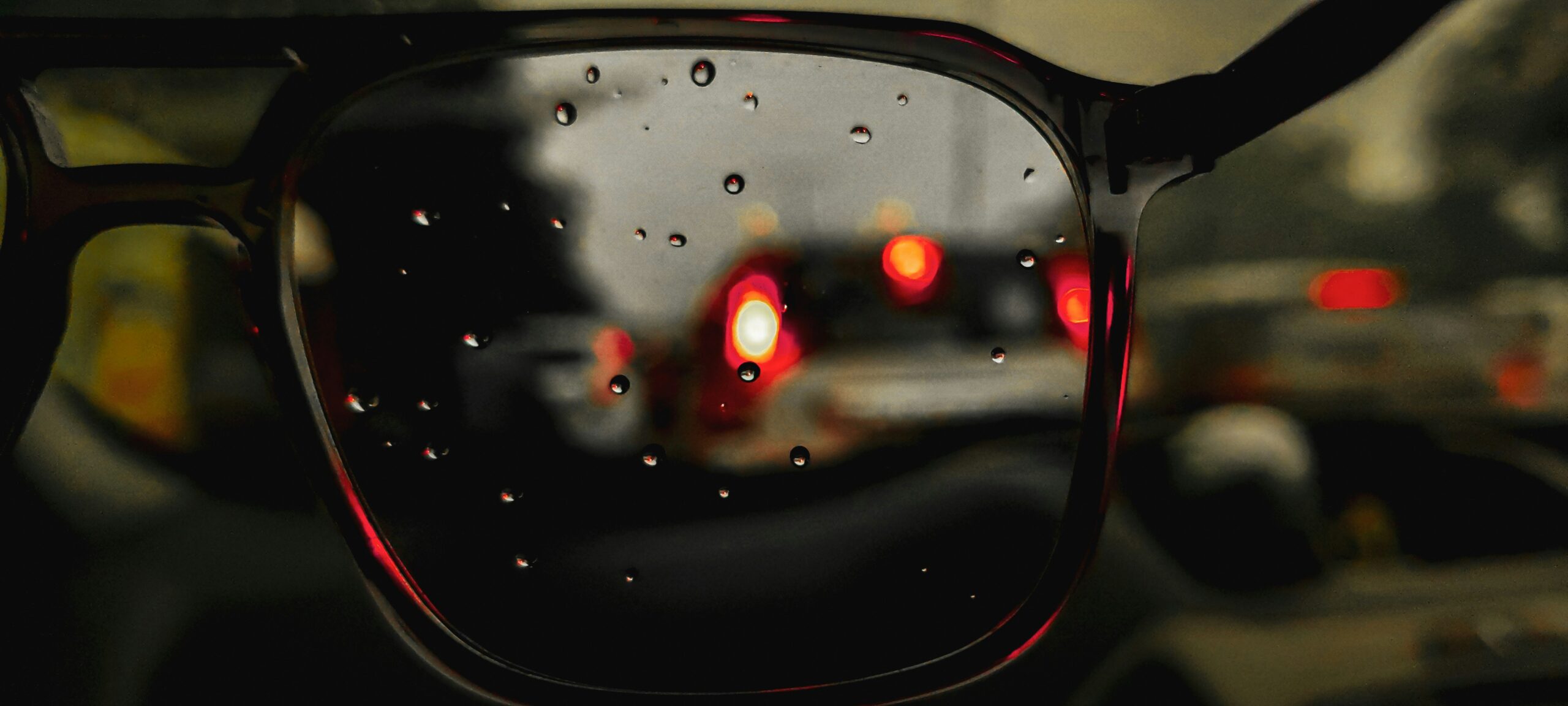
- Night driving – cuts the starburst and halo effect from headlights and LED streetlights, which matters for comfortably meeting UK driving vision standards.
- Screen work – reduces glare from monitors and office lighting during long hours at a desk.
- How you look on camera – without it, lenses can look glossy and reflective on video calls or in photos.
One caveat: because AR coating sits on the outer surface, it needs a bit more care than standard lenses. If you already wear coated lenses, our guide on how to clean anti-reflective lenses without ruining them is worth a read. Two things worth keeping on hand:
- AR-safe lens cleaning spray – alcohol-free, so it won’t strip the coating
- Proper microfibre cloth – a lot gentler than whatever’s nearest to hand
Already know you want anti-glare on your next pair? Compare prices across UK retailers now → – takes about 60 seconds.
3. Blue Light Filter Coating
What it is
This one gets marketed hard as an essential for the screen-heavy lifestyle. It’s built to selectively block or absorb the blue-violet light emitted by phones, laptops and tablets.
Is it worth it?
Honestly, probably not for most people – this is where marketing tends to outpace the science. Retailers often imply blue light causes lasting eye damage or significant strain, but the College of Optometrists has been clear that the clinical evidence doesn’t really back that up.
There are a couple of genuine minor upsides:
- Sleep – late-night screen use can suppress melatonin, and filtering blue light may help some people wind down.
- Comfort preference – some wearers just prefer the slightly warmer tint.
Before paying an extra £20–£50 at checkout, it’s worth trying your phone or laptop’s built-in “Night Shift” or blue light filter – free, and does roughly the same job for most people.
4. Coating Bundles: Which Tier Actually Makes Sense?
This is usually where the are lens coatings worth it UK question gets murkiest, because retailers rarely sell coatings individually – they’re bundled into tiers, and it’s easy to get talked into the top one. A rough guide:
- Basic tier – scratch-resistant only. Fine for a backup or spare pair.
- Mid-tier (the sweet spot) – scratch-resistant + anti-glare. Covers 90% of what most people actually need day to day.
- Premium tier – adds a hydrophobic (water-repellent) layer. Genuinely useful if you’re regularly dealing with UK rain or fogged-up lenses coming in from the cold.
Frequently Asked Questions
It still helps, anti-glare cuts screen glare and reduces glossy reflections in photos and video calls, so it’s worth having even if night driving isn’t a factor for you.
Not based on the current clinical evidence. If screen time before bed is the concern, a free device-level night mode does much the same job as a paid coating.
Not usually. Coatings are applied when the lens is manufactured, so adding one later normally means ordering new lenses rather than treating your current pair.
When people ask are lens coatings worth it UK-wide, this is usually what they’re really asking. Scratch-resistant is the one to prioritise if you can only choose one, since uncoated lenses degrade fastest. Anti-glare is the best second choice for most people.
Final Verdict: Are Lens Coatings Worth It UK Buyers Should Pay For?
Don’t feel pressured into the most expensive bundle just because it’s on the menu, the blue light and anti-dust add-ons in particular are doing more for the retailer’s margin than for your eyes. For most UK buyers, a combined scratch-resistant and anti-glare coating gives you the real protection at a fair price, without paying extra for claims that don’t hold up.