Are Blue Light Glasses Worth It for Students? What the Science Actually Says
Disclosure: This post contains affiliate links. If you click one of these links and make a purchase (for example, on Amazon), we earn a commission at no extra cost to you. As an independent UK price comparison service, we only recommend products and retailers we genuinely trust.
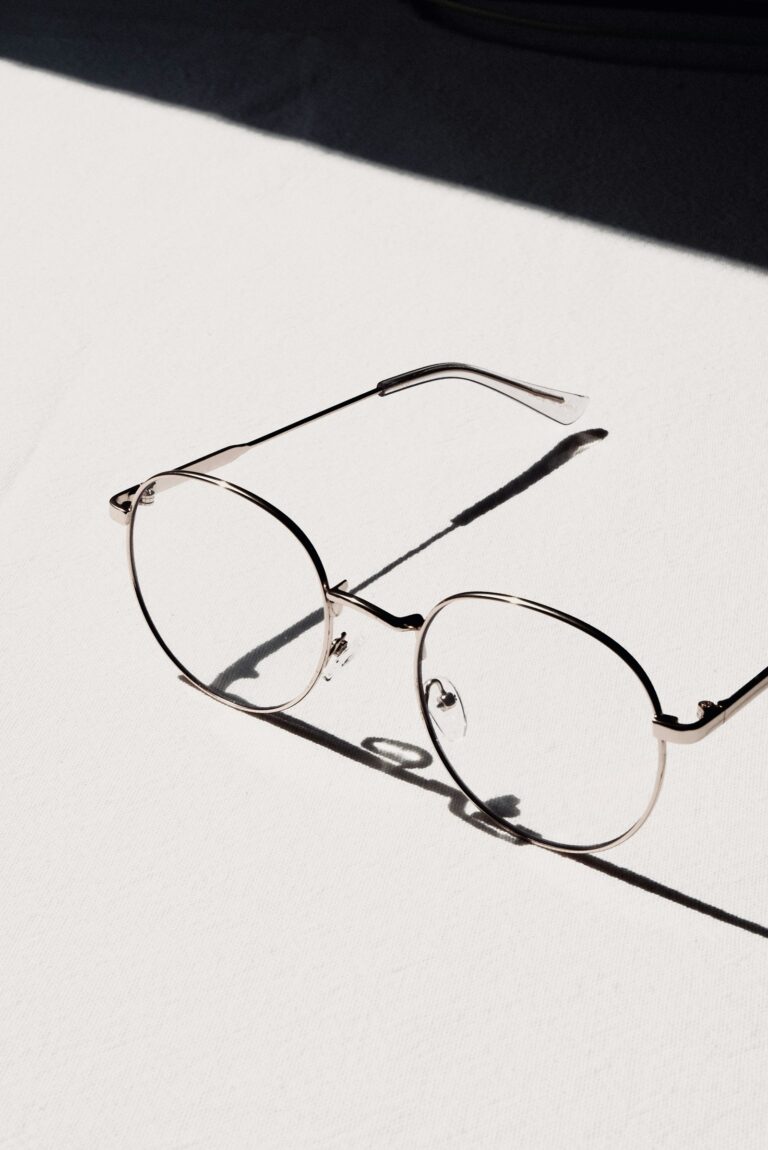
Blue light glasses for students are a fixture on every back-to-university shopping list, marketed as a fix for digital eye strain, headaches and poor sleep during long study sessions. Before spending part of your student budget on a pair, it’s worth looking at what the actual clinical evidence says.
What the Evidence Shows About Blue Light Glasses for Students
The College of Optometrists has reviewed the research on blue light filtering lenses and found the clinical evidence doesn’t back up the marketing claims, there’s no good evidence that blue light glasses meaningfully reduce eye strain or improve sleep quality on their own.
What’s actually causing that dry, tired feeling during long laptop sessions is usually simple: digital eye strain. We blink roughly 50% less often when staring at a screen, which dries out the eyes, while holding a fixed focus for hours fatigues the eye muscles. That’s a blinking and focus problem, not a light-colour problem, which is why a tinted lens doesn’t fix it.
Free Alternatives That Actually Help
You don’t need to spend anything to protect your eyes during term time:
- The 20-20-20 rule – every 20 minutes, look at something 20 feet away for at least 20 seconds. It relaxes the eye muscles that screen use fatigues.
- Built-in night mode – most laptops and phones have a free “Night Shift” or blue light filter setting, which does much the same job as a paid coating.
If you already wear prescription frames and are wondering whether a permanent filter coating is worth adding, our guide on whether lens coatings are worth it covers that in more detail.
What’s Actually Worth Buying for Screen Fatigue
If you do want to spend on genuinely useful study desk upgrades, these do more for screen fatigue than blue light glasses for students ever will:
- Lubricating eye drops – preservative-free artificial tears directly treat the dryness screen staring causes.
- An ergonomic laptop stand – raising your screen to eye level reduces neck strain and stops you slouching forward into glare.
Frequently Asked Questions About Blue Light Glasses for Students
The clinical evidence doesn’t support this claim. Screen headaches are more commonly linked to eye strain from reduced blinking and fixed focus, which a tinted lens doesn’t address.
For most students, no – free measures like the 20-20-20 rule and built-in device night modes address the same underlying causes at no cost.
Taking regular breaks, blinking consciously during screen use, and keeping your laptop at eye level all help more than a blue light filter does.