What Is Myopia? Short-Sightedness Explained Simply
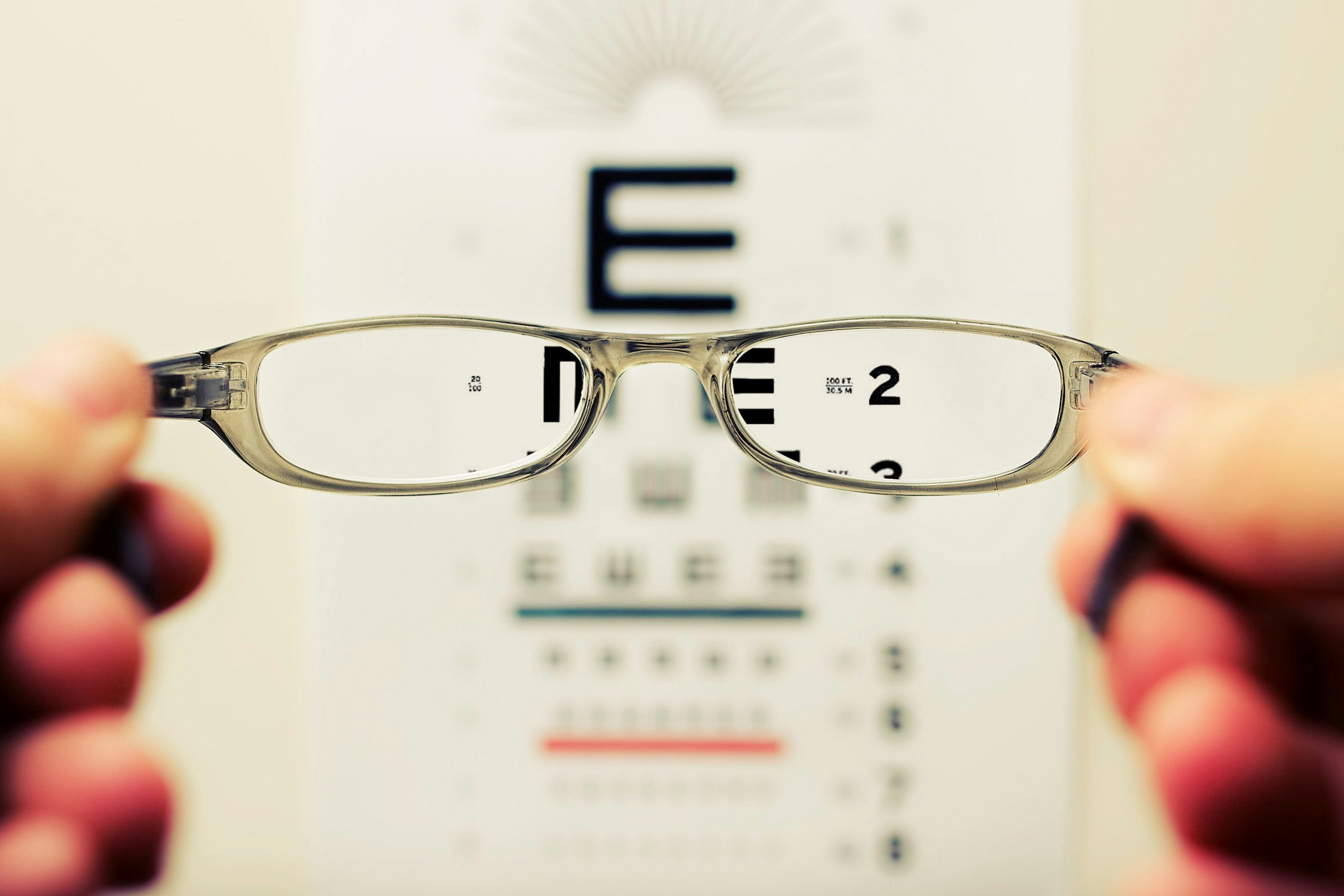
So what is myopia, exactly? In plain terms, it’s the medical name for short-sightedness. It’s a very common eye condition. Distant objects look blurry, while things up close stay clear.
It’s the reason so many children end up needing their first pair of glasses. And it’s becoming more common every year, both in the UK and globally.
This guide covers what’s actually happening inside the eye, how to spot the signs in a child, and what typically happens next.
What’s Actually Happening in the Eye
To see clearly, light needs to focus precisely on the retina – the light-sensitive layer at the back of the eye. In a myopic eye, that light focuses just in front of the retina instead. This usually happens because the eyeball itself has grown slightly too long, from front to back. The result: objects in the distance look blurred, while close-up vision, like reading a book, stays sharp.
This is different from simply “needing glasses” in a generic sense. The physical length of the eye drives myopia, and that length can keep increasing as a child grows. That’s why myopia in children often gets worse over time rather than staying fixed.
Common Signs of Myopia in Children
Myopia usually first appears somewhere between the ages of six and thirteen, though it can start younger. Children often adapt surprisingly well to blurry vision without realising anything is wrong. That’s why it can go unnoticed for a while. Signs worth watching for include:
- Sitting very close to the TV, or wanting to sit near the front of the classroom
- Squinting to see things at a distance
- Holding books or tablets close to the face
- Complaining of headaches or tired eyes, particularly after school
- A teacher mentioning your child struggles to read the whiteboard
Children often don’t complain directly. That’s why regular eye tests matter more than waiting for symptoms to appear.
Is Myopia Common?
Very. Roughly a third of people in the UK have short-sightedness. Rates in children have been climbing for decades, and researchers expect that trend to continue. It’s worth knowing this isn’t unusual or alarming in itself, it’s simply become one of the most common reasons children need glasses.
What Happens Once Myopia Is Diagnosed
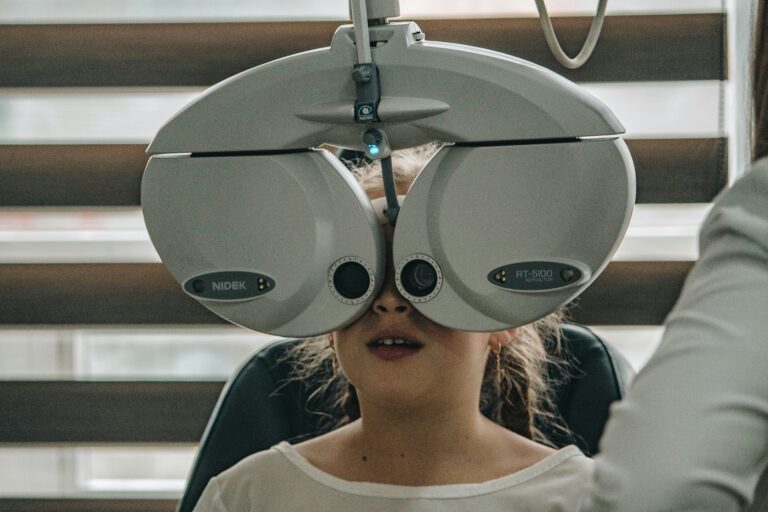
If an optician confirms your child has short-sightedness, glasses or contact lenses will correct their vision straight away. This lets them see clearly at a distance. Standard lenses don’t stop the underlying cause though, with the eye continuing to lengthen. That’s why many opticians will also discuss the rate of progression, and whether monitoring or a myopia management approach makes sense. The NHS page on short-sightedness has more detail on standard treatment and when to seek advice.
Next Steps
If your child has just received a diagnosis, two follow-up questions are worth exploring next. Why does myopia develop in the first place? And what can help slow it down once it’s present? Our guide on what causes myopia in children covers the genetic and lifestyle factors involved. Our guide to myopia control lenses explains the treatment options available in the UK, from specialist spectacle lenses to contact lenses and orthokeratology.
This post is for general information only and isn’t a substitute for professional advice. If you have concerns about your child’s vision, book an eye test with a registered optometrist.