Stellest Lenses: A Parent’s Guide to Myopia Control
If you’ve just been told your child needs myopia control, you’re probably in the same position we were: never having heard the term before an optician mentioned it. We’ve been using Stellest lenses for our daughter for the past 18 months, and this guide walks through what that’s actually involved, honestly, cost included, rather than the marketing version.
How We Found Out About Stellest Lenses
Our optician suggested Stellest lenses at what was otherwise a normal eye test appointment. We hadn’t researched myopia control beforehand and didn’t know lenses like this existed until it came up in conversation. If you’re in the same position, that’s completely normal, this isn’t something most parents go in already knowing about. If you want the science behind how Stellest and similar lenses actually work, we’ve covered that separately in our guide to how myopia control lenses work.
What the Fitting Process Actually Involves
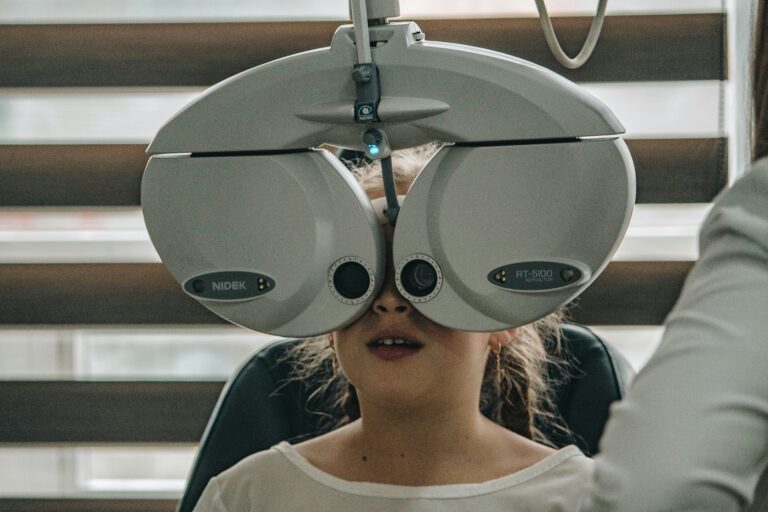
There’s no separate clinical procedure beyond a standard eye test. Our daughter’s Stellest lenses were fitted the same way any pair of glasses would be: measurements taken, prescription confirmed, frames chosen. The only real difference is the lens itself.
The Adjustment Period: What to Expect
The one thing we’d flag honestly: the outer edges of the lenses felt a bit dizzying at first. That settled within around three weeks as she got used to them. It’s worth knowing in advance so it doesn’t feel alarming if it happens, it’s a known adjustment, not a sign anything’s wrong.
What Stellest Lenses Cost, and How Vouchers Can Help
For us, Stellest lenses cost around £24 a month, though the exact figure depends on the frame and any extras you add. Because our daughter is under 16, she was eligible for an NHS optical voucher, which contributed toward the cost. We go into a full cost breakdown, including NHS voucher eligibility and how it compares with contact lens options, in a separate guide.
Do Stellest Lenses Work? Our Daughter’s Results So Far
Our daughter has now been wearing Stellest lenses for 18 months, with a check-up every six months. At her last check in July, her eyesight had improved slightly, and that was despite not wearing them consistently every day. We want to be honest about that rather than presenting it as guaranteed proof, clinical trials, not one family’s experience, are the real evidence for how well this works generally. But it’s a genuinely encouraging sign for us.
The One Thing That Actually Determines Whether It’s Worth It
If there’s one piece of advice we’d give another parent, it’s this: consistency is everything. Myopia control lenses only work if they’re actually worn, as close to full-time as possible. Skipping days, or only wearing them some of the time, undermines the whole point, and you’re still paying the monthly cost either way. It’s worth being firm with your child about wearing them, because the value is entirely tied to how consistently they’re worn.
Other Myopia Control Options Besides Stellest
Stellest is one option among several. DIMS lenses (Hoya’s MiYOSMART) work on a similar principle with a different lens design, and MiSight contact lenses achieve a comparable effect for children who’d rather avoid glasses altogether. We haven’t used these ourselves, so we can’t compare them from experience, but our guide to how myopia control lenses work covers how all of them function and the evidence behind each.